
If I had to pick one nutrition mistake I see in 90% of new clients, it's this: they're eating roughly half the protein their body needs. They feel tired, they're losing muscle instead of fat, and they're hungry constantly — and protein fixes all three.
Here's the actual math, the actual food, and the myths to ignore.
The number that matters
Forget the old "0.8g per kg" recommendation. That number comes from World War II–era studies on the absolute minimum to prevent deficiency. It's not a target. It's a survival floor.
For a healthy adult who wants to feel good, preserve muscle, and lose fat, the science supports:
- Sedentary, average health goals: 1.2g per kg of body weight
- Active, exercising 3+ times per week: 1.4–1.6g per kg
- Building muscle or losing fat aggressively: 1.6–2.2g per kg
- Over 60 years old: 1.5g per kg minimum (sarcopenia prevention)
A 70kg woman who exercises three times a week needs roughly 100–112g of protein per day. That's a meaningful amount, and most women I see eat 50–60g.
What 100g of protein actually looks like
People hear "100g of protein" and panic. It's less than you think:
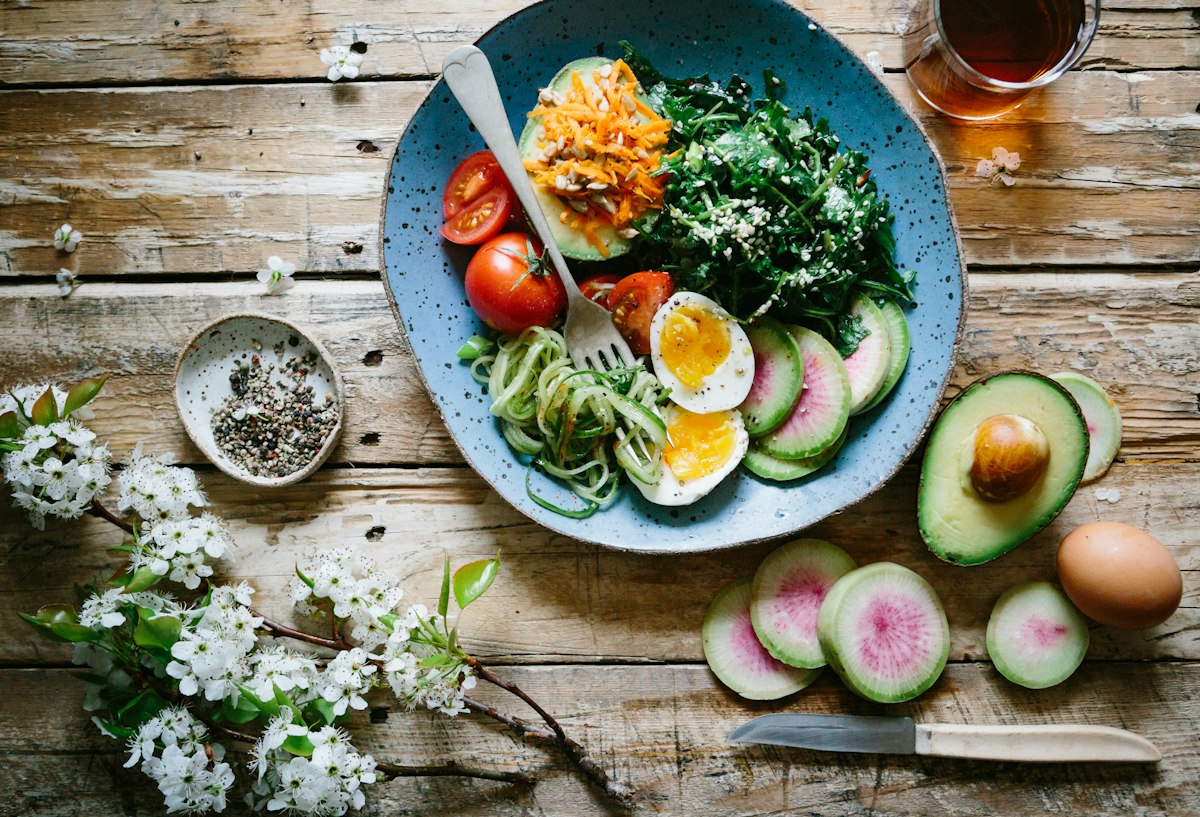
- 3 eggs at breakfast (18g)
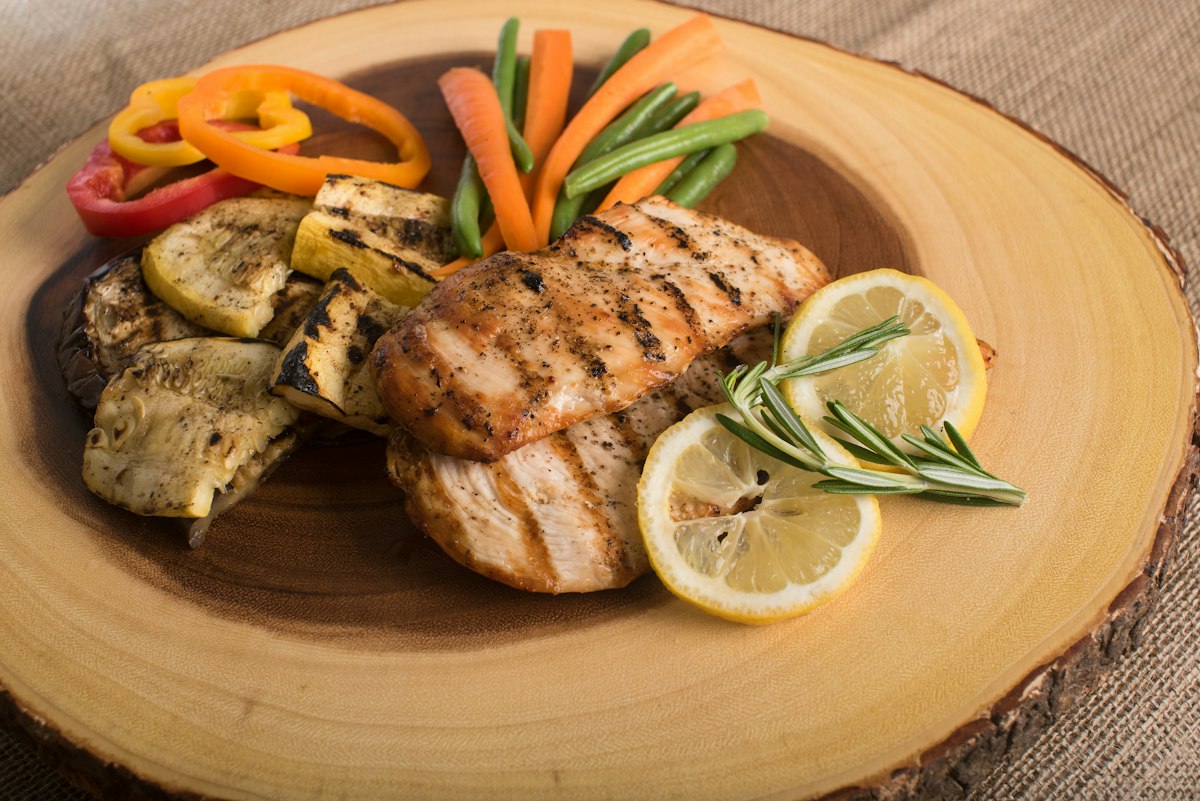
- 200g grilled chicken at lunch (50g)
- 1 cup Greek yogurt as an afternoon snack (17g)
- 1 cup of cooked lentils with dinner (18g)
Total: 103g. Done.
You can also hit it with vegetarian sources only:
- 1 cup oats with milk and a scoop of protein powder (35g)
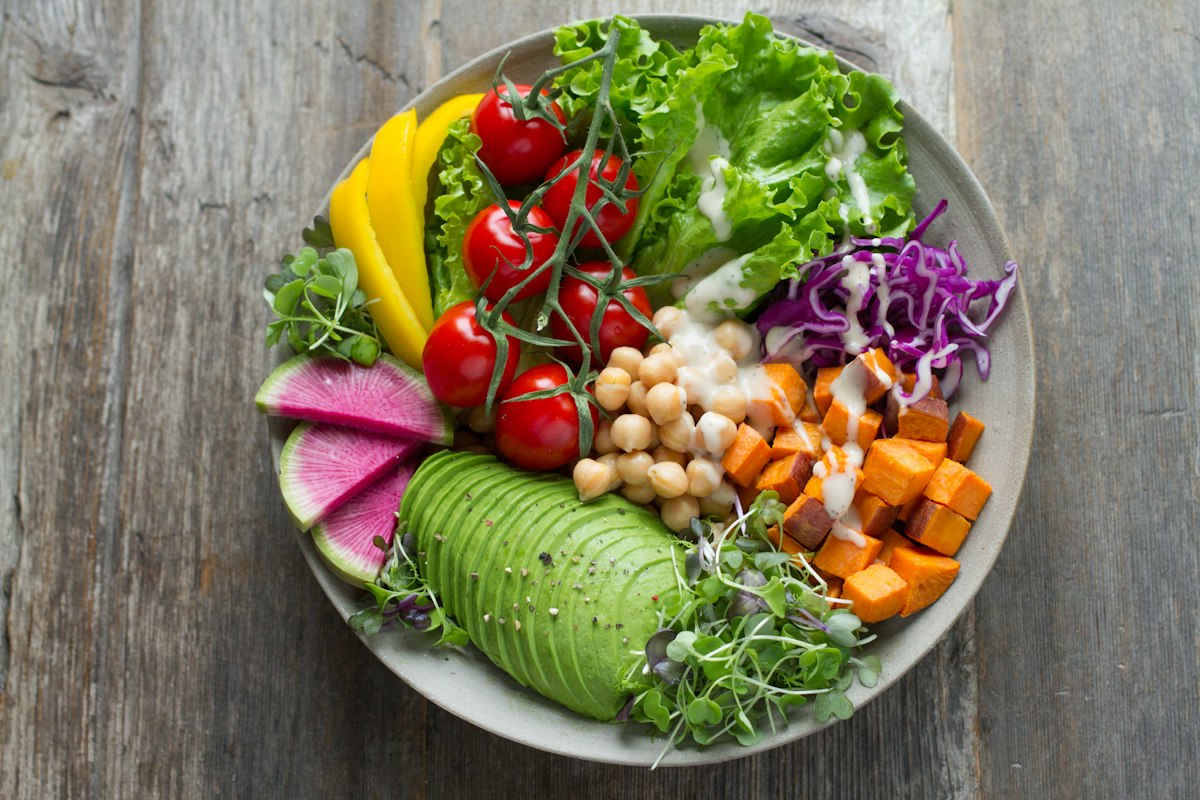
- 1 cup chickpeas in a salad (15g)
- 200g tofu stir-fry for dinner (40g)
- 50g almonds across snacks (10g)
Total: 100g.
When to eat it (and why "timing" mostly doesn't matter)
You'll read a lot about "the anabolic window" — the idea that you have 30 minutes after a workout to consume protein or you "lose your gains." That's outdated. Total daily protein matters far more than timing.
That said, two patterns help:
1. Spread it across 3–4 meals. Your body uses protein best in 25–40g doses. Eating 80g in one sitting and nothing the rest of the day is less effective than eating 25g four times.
2. Front-load to breakfast. Most people get most of their protein at dinner. Reversing this — 30–40g at breakfast — improves satiety, energy, and (in studies) reduces snacking later.
Best protein sources, ranked
Top tier (complete protein, high absorption):
- Eggs
- Greek yogurt and cottage cheese
- Chicken, turkey, lean beef
- Salmon, tuna, white fish
- Whey protein powder
Second tier (complete or near-complete plant proteins):
- Lentils, chickpeas, black beans
- Tofu, tempeh, edamame
- Quinoa
- Pea or soy protein powder
Bonus protein (small amounts add up):
- Almonds, peanuts (8g per handful)
- Hemp seeds (10g per 30g)
- Whole-grain bread (5g per slice)
Three myths to retire
Myth 1: "Too much protein damages your kidneys." Only true if you already have kidney disease. In healthy adults, even 2g/kg shows no negative kidney effects in long-term studies.
Myth 2: "Plant protein is incomplete and inferior." A varied vegetarian diet easily provides all essential amino acids. Tofu and quinoa are complete on their own.
Myth 3: "You can only absorb 30g of protein per meal." False — your body absorbs all of it. The 30g number refers to the optimal dose for muscle protein synthesis, not absorption. Larger amounts still feed you, just with diminishing muscle-building returns.
What if I can't hit the target with food alone?
Use a clean protein powder. It's not a steroid, it's not a shortcut — it's just powdered milk or pea protein. A scoop in your morning oats or in a glass of milk gives you 25g instantly. We curate options at our store — all third-party tested for quality.
The bottom line
If you only change one thing about your nutrition this month, increase your protein. You will:
- Feel fuller between meals
- Lose fat instead of muscle
- Recover better from exercise
- Maintain a higher metabolism as you age
It's the closest thing to a free lunch in nutrition.
Next in the series: Intermittent fasting — complete guide for 2025.