
Weight loss isn't about eating less. It's about eating in a way that keeps you full on fewer calories. The foods on this list do exactly that — they have high satiety per calorie, support metabolism, and don't trigger blood sugar crashes that make you crave biscuits two hours later.
I've ranked these by what I see actually working in my clinic, not what's trendy. Most are inexpensive and locally available across the Levant.
The protein anchors
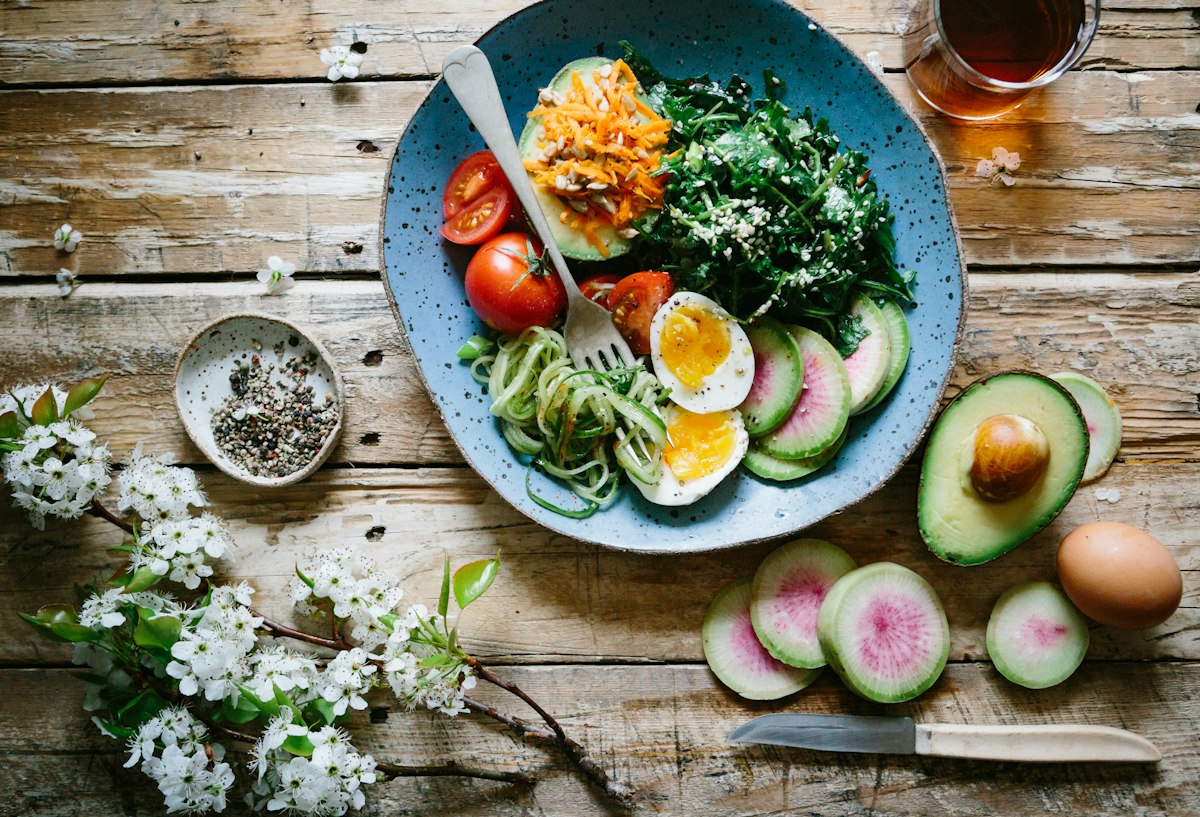
1. Eggs. Two whole eggs at breakfast are linked to lower hunger ratings and reduced calorie intake at the next meal. The protein and fat keep blood sugar stable for 4–5 hours.
2. Greek yogurt (plain, full-fat). 17g of protein per cup, plus probiotics for gut health. Add berries and a tablespoon of tahini — that's a complete meal under 350 calories.
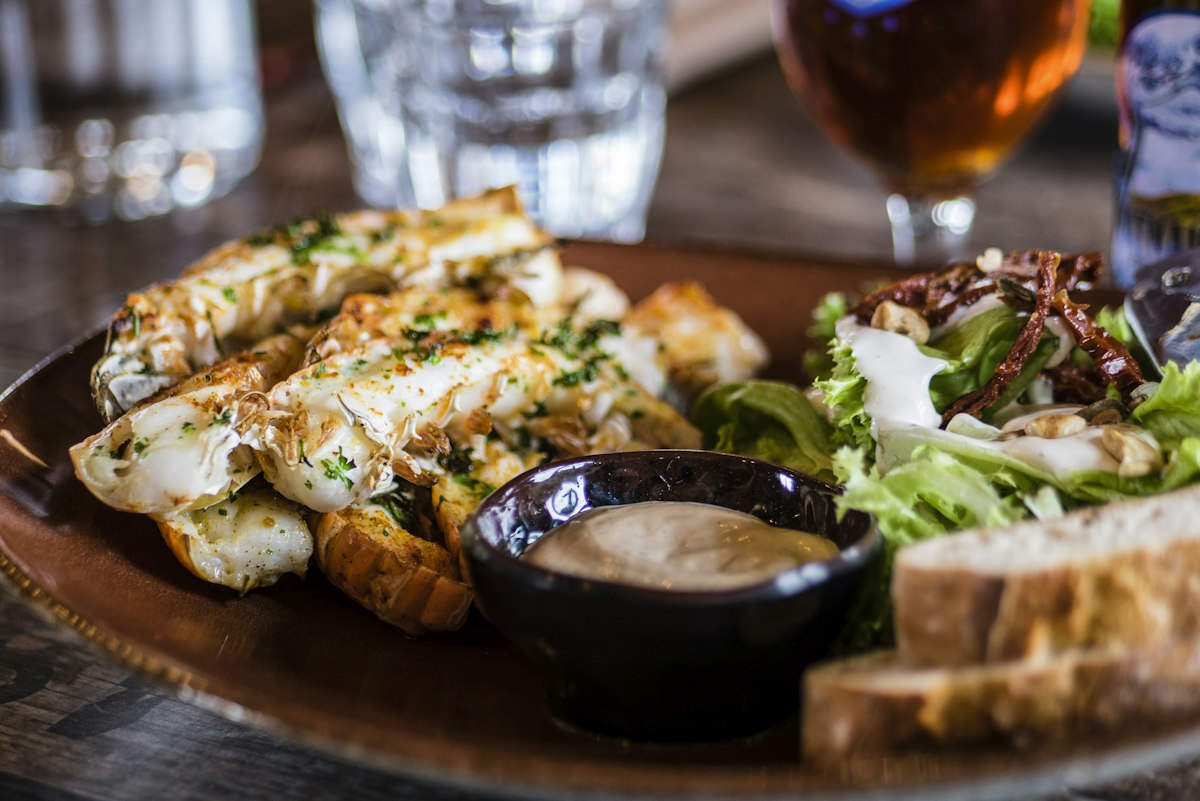
3. Salmon. Omega-3s reduce inflammation, which is a quiet driver of weight gain. Two servings a week is enough to see effects.
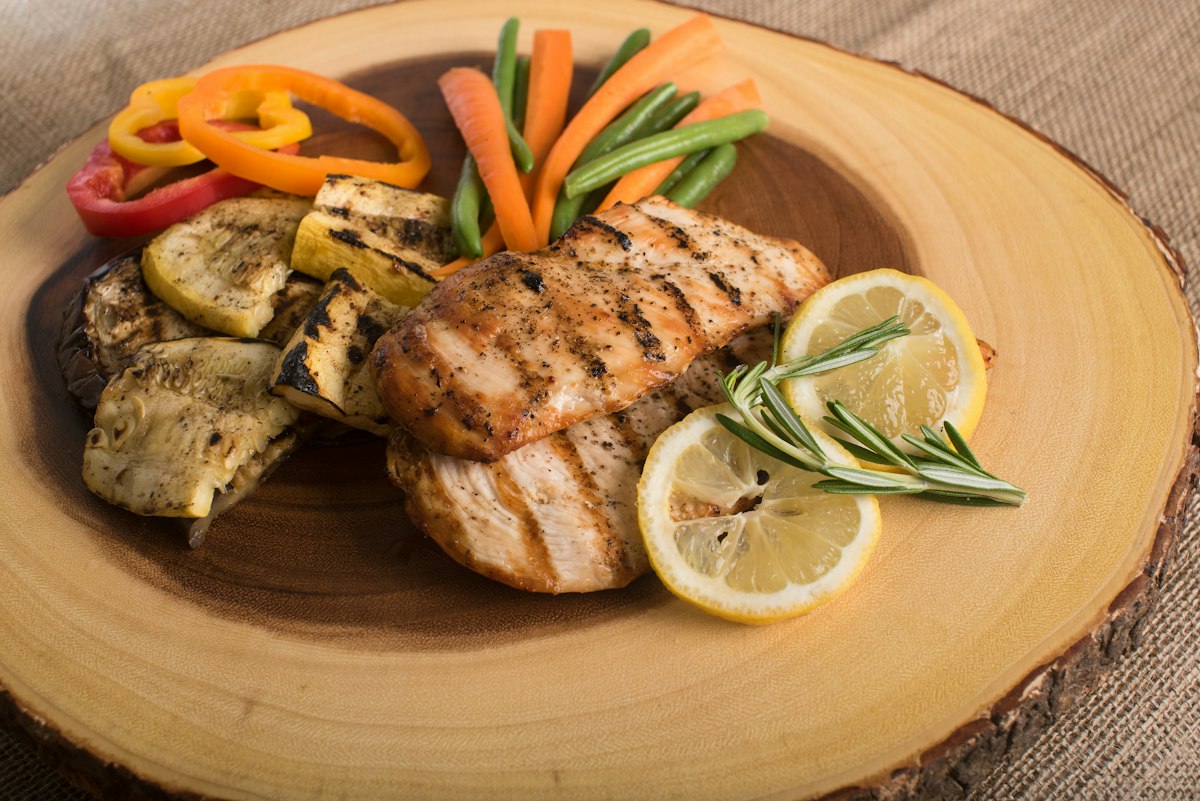
4. Chicken breast. The classic. Lean, high-protein, versatile. 25g protein per 100g cooked.
5. Lentils. Cheap, high-protein, high-fibre, traditionally part of every Levantine kitchen. A bowl of lentil soup keeps you full for 5+ hours.
The vegetables that do the heavy lifting
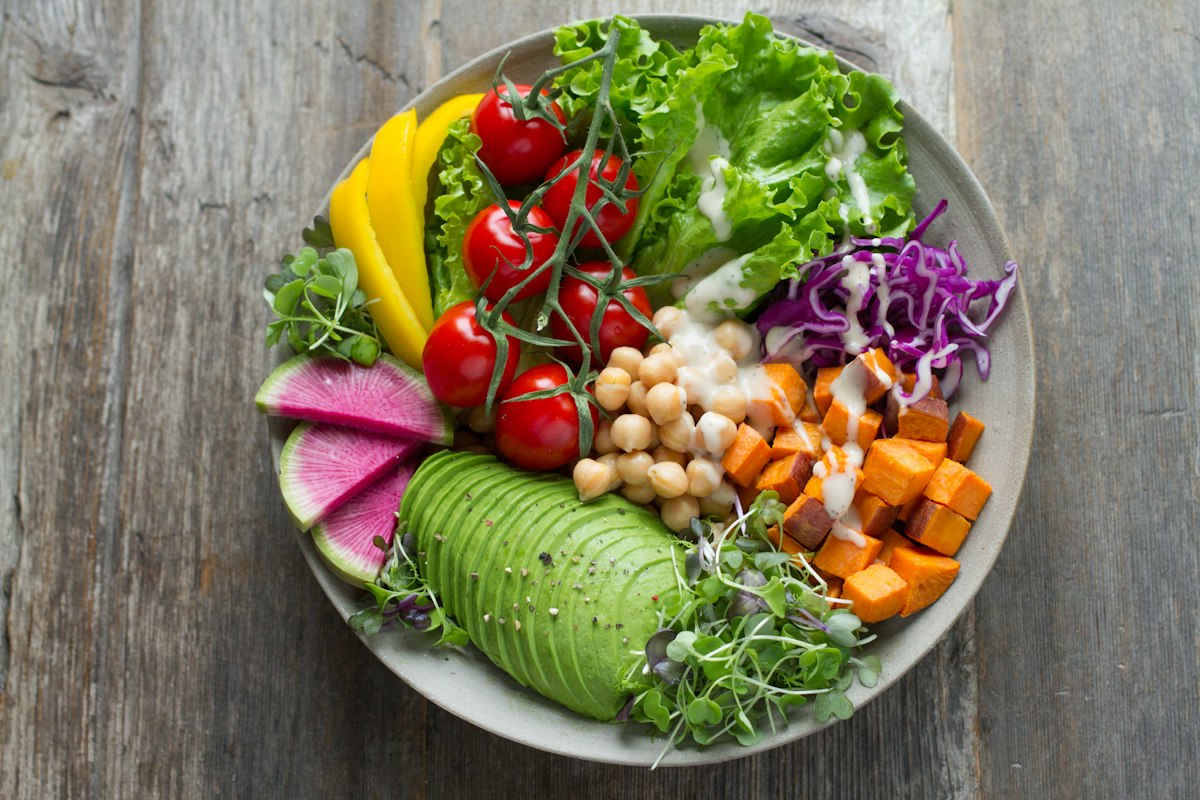
6. Leafy greens (spinach, rocca, baby kale). Nearly zero calories, high in magnesium (which most people are deficient in), and they bulk out any meal so your stomach signals "full" earlier.
7. Cruciferous vegetables (broccoli, cauliflower, cabbage). High fibre, anti-inflammatory compounds, and they support oestrogen metabolism — relevant for any woman dealing with hormonal weight gain.
8. Tomatoes and cucumbers. 95% water. Eat them with every meal. They take up stomach space without taking up calories.
The fats that help, not hurt
9. Avocado. Half a fruit at lunch increases meal satisfaction by 26% in clinical trials. The monounsaturated fats are also linked to reduced belly fat specifically.
10. Olive oil. The Mediterranean diet's secret weapon. Use it raw on salads or finished dishes — heating destroys some of its polyphenols.
11. Almonds. A handful (28g) is the perfect snack: protein, fibre, healthy fat, and crunch. Studies show daily almond eaters don't gain the weight you'd expect from the added calories.
The carbs you should keep
12. Oats. Beta-glucan fibre slows digestion and lowers cholesterol. A bowl with Greek yogurt and fruit is one of the best weight-loss breakfasts ever studied.
13. Sweet potatoes. Lower glycaemic load than white potatoes, fibre, beta-carotene. Roast them in olive oil and salt — they're dessert.
14. Quinoa or freekeh. Complete proteins (rare in plants), high fibre, low glycaemic index. Better than rice for weight loss in head-to-head studies.
The beverage that beats coffee
15. Green tea. Catechins (especially EGCG) modestly increase fat oxidation. The effect is small per cup but real over months. Three cups a day, no sugar.
How to actually use this list
Don't try to eat all 15 every week. Pick:
- Two protein anchors for your default breakfast and lunch
- Two vegetables you'll eat with every dinner
- One fat you'll add daily
- One carb that becomes your go-to side
That's six foods on rotation. Boring is the secret. Boring is what works.
What's missing from this list (and why)
You'll notice no "superfood" powders, no exotic berries, no apple cider vinegar shots. None of those move the needle in a measurable way. The studies that promote them are usually small, industry-funded, and don't replicate.
What works is unsexy: high protein, high fibre, real food, repeated.
Pair this with the right structure
A list of foods only matters if you eat them on a schedule that controls hunger. Get your personalized meal plan to see exactly when and how much of each to eat for your body and goals. Or scan your food with AI to track macros automatically.
Next in the series: Protein intake guide — how much do you really need per day?