
Most people don't fail at healthy eating because they lack willpower. They fail because the advice they've been given is either too vague ("eat clean") or too punishing ("never touch sugar again"). After three years of coaching practice and 500+ clients, I can tell you the truth: the people who succeed long-term aren't the strictest. They're the most consistent.
This guide is the conversation I have with every new client in their first session — distilled into something you can read in seven minutes and act on tomorrow.
The 3 foundations of healthy eating
Before we get into specifics, healthy eating rests on three pillars. Skip any one of these and the whole thing wobbles.
1. Whole foods first. The 80/20 rule does most of the heavy lifting: aim for 80% of your meals to come from foods with one ingredient — chicken, lentils, spinach, oats, eggs, olive oil. The other 20% can be anything you genuinely enjoy, from baklava to crisps. The point isn't perfection. It's a stable base.
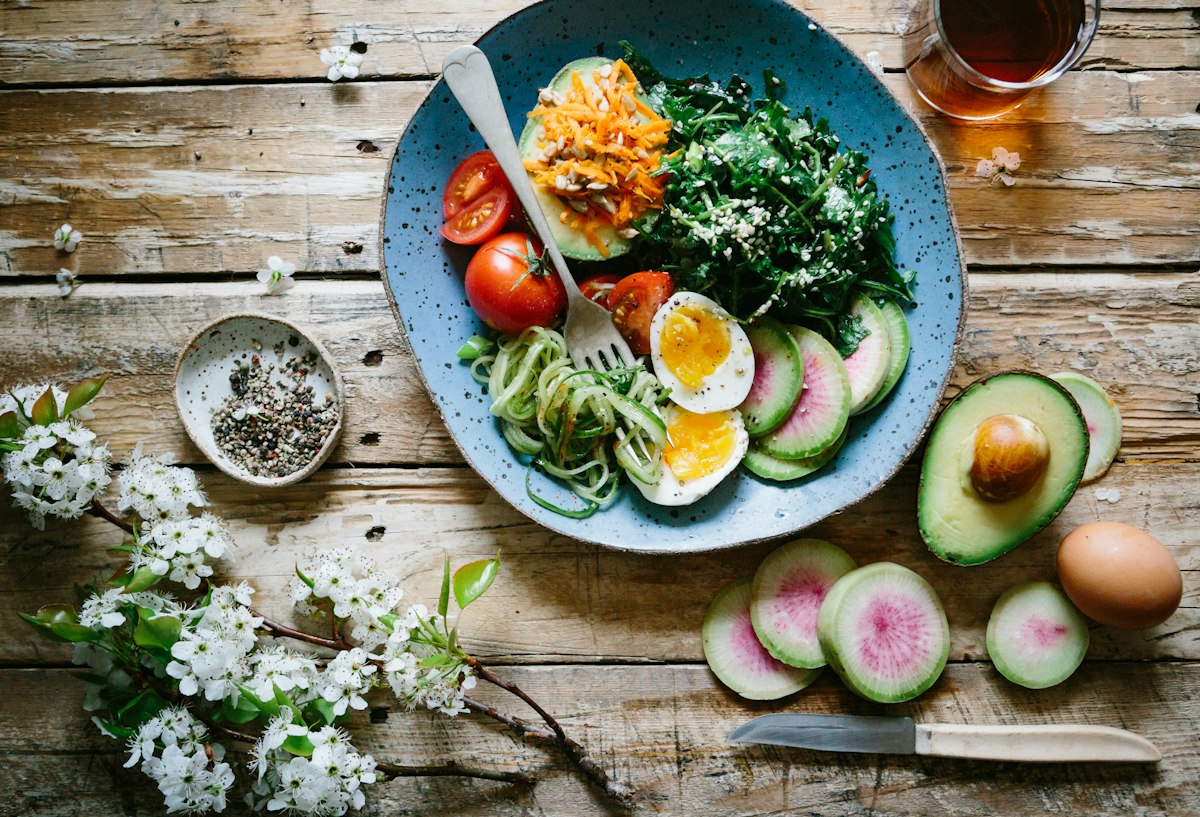
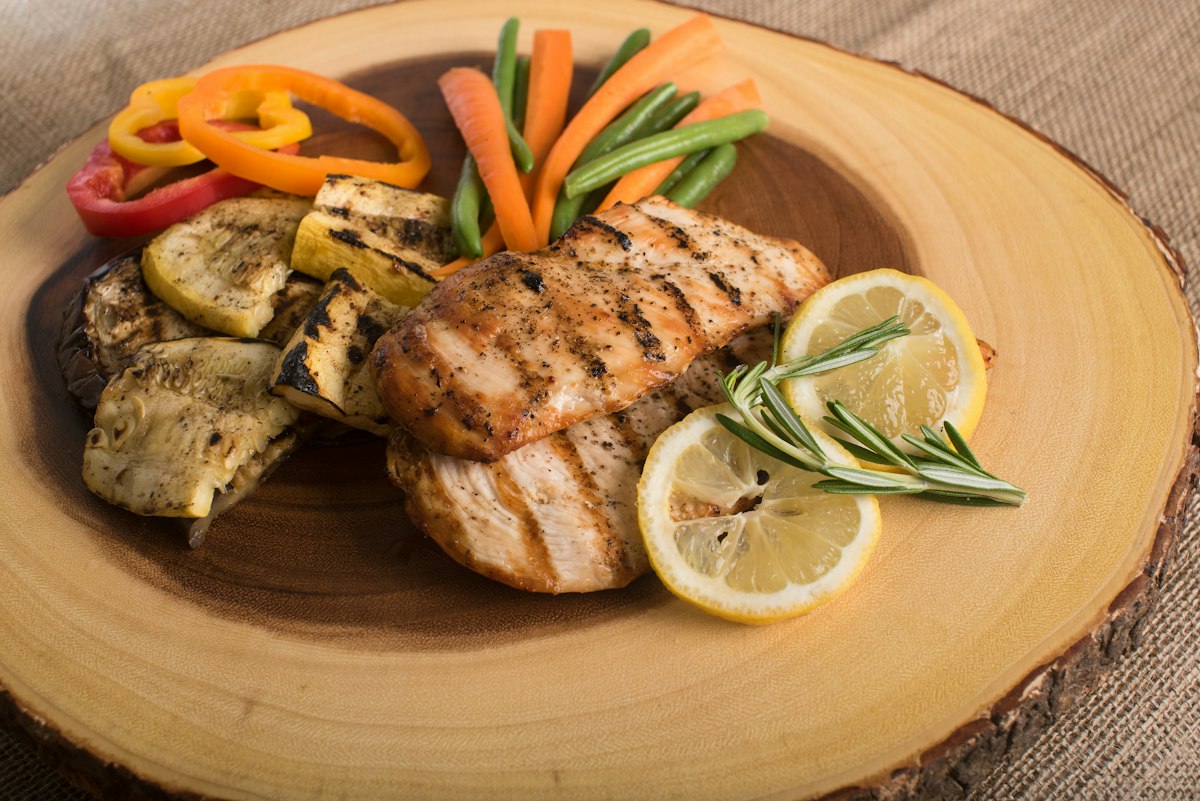
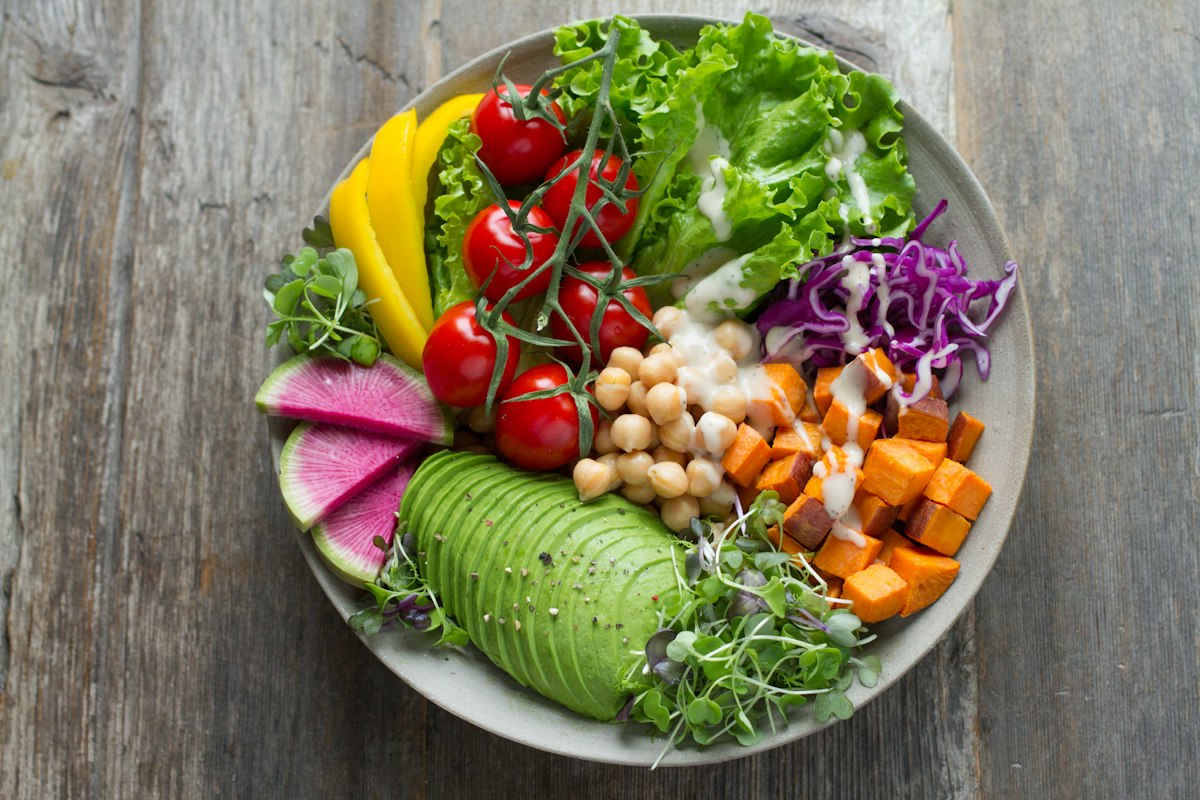
2. Balance every plate. Each meal should hit three things: a protein source (eggs, fish, chicken, beans, tofu), a fibre source (vegetables, fruit, whole grains), and a fat source (olive oil, avocado, nuts, seeds). When all three show up, blood sugar stays steady, hunger stays predictable, and you stop snacking out of nowhere at 4 PM.
3. Consistency beats intensity. A "perfect" week of restriction followed by a binge weekend will get you nowhere. Eating 80% well, 90% of the time, will change your body composition in three months. I've watched this pattern play out hundreds of times.
How to read a nutrition label without getting fooled
Food companies are very good at making unhealthy food look healthy. Here's what to actually look at:
- Serving size first. A "100-calorie" snack often contains 2.5 servings per pack. Multiply.
- Sugar — the under-15g rule. Most healthy items keep added sugar under 5g per serving. Anything over 15g is dessert, regardless of how it markets itself.
- Fibre — the over-3g rule. Real bread, real cereal, real crackers should have at least 3g of fibre per serving. If it doesn't, it's basically white flour.
- Ingredient order. Ingredients are listed by weight. If sugar (or its 60+ aliases — corn syrup, dextrose, maltodextrose) is in the top three, put it back.
If you want to skip this entire process, use our AI food scanner — point your phone at any food and it tells you what's actually in it.
Simple meal prep for beginners
You don't need 12 matching containers and a Sunday-afternoon cooking marathon. Here's the minimum viable meal prep:
- Pick one protein. Roast a tray of chicken thighs or bake six eggs hard-boiled.
- Pick one grain. Cook a pot of brown rice, quinoa, or freekeh.
- Pick two vegetables. Roast one tray (broccoli + sweet potato works) and have one fresh option ready (cucumber, tomato, parsley for tabbouleh).
That's it. With those three components, you have lunch and dinner for three days. Mix them differently each meal so it doesn't feel repetitive — wrap one in a tortilla, top another with tahini, throw the third over greens.
Explore our recipe library for over 200 Mediterranean-rooted recipes that follow exactly this template.
The 4 mistakes I see every week
- Skipping breakfast and overeating at night. Your body doesn't care that you "saved" calories all morning. It just wants them all at 9 PM.
- Drinking your calories. A "small" iced caramel latte plus a juice is 600 calories. You will not feel full from it.
- Underrating protein. Most adults need 1.2–1.6g per kg of body weight. A 70kg woman should aim for ~85–110g daily. Most are getting half that.
- Cutting out entire food groups. Carbs, fats, and dairy are not the enemy. Restriction breeds craving, and craving breeds binging.
Nutrition Coach Rawan's personal tip: the "next meal" rule
When a client tells me they "ruined" their day with a bad lunch, I ask them: what time is it now? They say 2 PM. I say: you have dinner, an evening snack, and tomorrow's breakfast. That's three chances to do something good before this day ends. One meal doesn't define your week. Your average over time defines your body.
The people who succeed at healthy eating aren't the ones who never eat baklava. They're the ones who eat baklava and then eat normally at the next meal — instead of writing off the whole week.
Where to start tomorrow
Pick one thing from this article. Just one. Maybe it's adding protein to breakfast. Maybe it's reading labels at the grocery store. Maybe it's roasting a tray of vegetables on Sunday. Don't try to overhaul everything at once — that's the fastest way to give up by Wednesday.
If you want a plan built specifically for your body, your goals, and your kitchen, book a personalized consultation with me. We'll cover everything from your current habits to a meal plan you'll actually follow.
Next in the series: 15 best foods for weight loss, science-backed.